
Louisiana Oilfield & Offshore Injury Attorneys
Rig work carries real risk every day. We know how difficult and physical work on an oil rig or Gulf platform is. And if you are hurt, your livelihood and ability to provide for your family may be in jeopardy. We also know that too many injuries to platform workers, rig hands, refinery crews, and oilfield workers occur due to preventable errors, unsafe working conditions, or defective equipment.
For over 40 years, Neblett, Beard & Arsenault has been the trusted attorney of Louisiana’s oilfield and offshore workers. Results are how we measure success and we’ll put our decades of experience representing injured workers and their families to work on your behalf.
No fees unless you win your case. Call (318) 561-2500 — available 24/7.
40+ Years
Serving Louisiana
Over $10 Billion
Recovered for Our Clients
$0 Upfront
You Pay Nothing Unless You Win
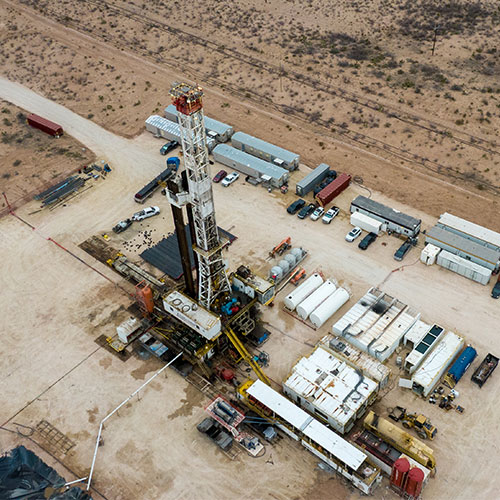
An Oilfield or Offshore Accident Changed Your Life. We Can Help.
Oil rig injuries are often catastrophic due to heavy equipment, harmful chemicals, and dangerous machinery. Our injury attorneys handle frequent causes of severe injuries on a Gulf rig or inshore operation, including:
Drilling
Defective drilling rigs, wellheads, improperly designed or installed safety protections, and injuries caused by machinery.
Leaks
Gas leaks, igniting vapors, explosions, and chemical exposures.
Structural
Damage to the rig, collapses, falls from height, and failed safety devices.
Transportation
Unseaworthy vessels and collisions, unsafe weather conditions, helicopter crashes and injuries during crew changes, pinch points and crush injuries.
Do My Injuries Fall under the Jones Act?
Oil rig and offshore injuries are materially different from ordinary workplace injuries because qualifying maritime workers are not exclusively limited to worker’s compensation. The Jones Act allows injured seamen to pursue full damages directly from employers, including lost wages, pain and suffering, and long-term medical care needs.
Who Qualifies?
A Jones Act seaman must contribute to the mission of a vessel in navigation and have a substantial connection to that vessel in both duration and nature. For example, jack-up rigs, semi-submersibles, and drill ships count as vessels. Fixed platforms generally do not. Seaman status is one of the most heavily contested issues when an offshore injury occurs. An injured seaman can be misclassified. That is why experienced Louisiana offshore attorneys matter from day one. If that describes you, your remedies are likely under the Jones Act.
However, federal law draws a line: a fixed platform is not a vessel. The Supreme Court settled decades ago that fixed platforms on the outer continental shelf are not treated the same as vessels. A fixed platform worker is generally not a seaman. Oil rig workers’ remedy for injuries suffered on an offshore rig lives under a different set of law, and it is important to your claim to know the difference.
Injured on a Platform? Don’t Just Accept Minimum Benefits
If you have suffered an injury on an offshore platform, you may have been told that comp benefits are all you are entitled to. We know that is rarely where the story ends, and we understand your need to seek complete recovery when injuries leave you unable to work and provide. Fixed platform injuries often involve negligent third-parties separate from your direct employer whose negligence may be partially or fully responsible for your injuries. This includes negligent contractors, defective equipment manufacturers, careless services companies, and vessel crews working alongside you. LHWCA benefits may only cover a fraction of what your catastrophic injuries require. Our attorneys pursue every negligent party on that platform because Louisiana’s offshore workers deserve complete recovery, not minimum benefits.
We have experience pursuing your full recovery against:
Contractors and Site Operators
Another company’s crew dropped the load, ignored pressure readings and warning signs, or failed to maintain equipment. Premises owners and operators can also be liable for the dangerous conditions on their platforms and rigs. These cases turn on reconstructing and investigating who controlled what on a multi-employer site: contracts, bridging documents, JSAs, permits to work.
Equipment Manufacturers
Blowout preventers that failed to shear. Pressure vessels and lines that rupture below rated capacity. Crane components, elevators, and hoisting gear that gives way. Valves, sensors, and control systems that fail. When defective equipment results in a severe injury offshore, the Louisiana Products Liability Act (LPLA) provides an avenue of recovery against the manufacturer. These are claims aside from worker’s comp and the direct employer defense. Our attorneys have held national leadership roles in some of the largest product liability litigations in the country and we can put that expertise to work for you.
Wrongful Death
Louisiana’s oil and gas industry is dangerous work. Blowouts, explosions, and preventable equipment failures unfortunately can result in the loss of a spouse, parent, or loved one. When a family loses someone in a tragic event, Louisiana’s wrongful death and survival actions can allow recovery for the family’s own losses as well as what the victim endured before death. Our wrongful death attorneys have decades of experience investigating catastrophes in Louisiana’s many industries, and we handle these cases with the seriousness and compassion they deserve.
Our Louisiana Oilfield Injury Attorneys Fight for Your Full Recovery
Whether your injury was caused by unsafe working conditions, defective equipment, or a well blowout, we fight to get Louisiana’s oil rig and oilfield workers everything the law allows.
Here is what that may include:
Medical Bills
Emergency room visits, surgeries, skin grafts for burns, treatment for traumatic brain injuries (TBIs), out of pocket costs, and any future specialist care you may require.
Lost Pay from Work
Compensation for the money you could not earn because your injuries prevented you from completing your rotation or returning to the rig. We know your per diem, overtime, and bonuses belong in the calculation of your lost wages.
Pain and Suffering
Recovery for your physical pain, the emotional trauma of a catastrophic offshore event (including PTSD), and the impact these injuries have on your quality of life.
Long-Term Losses
If you cannot return to offshore work, we work with vocational experts to pursue full wage loss, lost earning capacity, and retraining for onshore employment.
What to Do After an Oil Rig Accident
Whether it just happened or was weeks ago, these steps protect your health and your claim:
1. Get Medical Help
See a doctor immediately. Injuries like head trauma or internal damage may not be immediately obvious, and medical records are critical documentation.
2. Report the Accident
Ensure the accident is reported to your supervisor, the rig operator, or the vessel owner. An official record of the incident is important for your case.
3. Document Everything
If possible, take photos of the scene and defective equipment. Keep a record of your rotations, the companies present, and contact information for witnesses.
4. Call Us
Offshore injury cases involving complex maritime law and multiple contractors move fast. We get involved immediately to protect your rights and investigate your claim.
Meet Our Oil Rig and Offshore Injury Attorneys
The attorneys at Neblett, Beard & Arsenault have devoted over 40 years to representing severely injured onshore and offshore workers on oil rigs across Louisiana and offshore Gulf waters. Protecting these workers is how our firm got started, and it is in our DNA. Our Attorneys have decades of specialized offshore trial experience, achieving top verdicts and maximum settlements for Our Clients and their families. See the entire team.

Richard J. Arsenault

Michael S. Koch

Wesley J. Gralapp
Why Louisiana’s Oilfield and Offshore Workers Trust Us
We Know What You’re Up Against
By the time you are back onshore, the companies have already started building their side of the case. There has been an incident investigation on the platform. There is a statement someone asks you to sign. There is a company doctor, and a set of forms to fill out. You have been seriously injured, and you are going through this process for the first time. Our experienced offshore and oilfield injury attorneys know what to watch out for and know how to secure evidence you cannot get on your own. Neblett, Beard & Arsenault has been representing Louisiana’s injured onshore and offshore workers since 1982.
We know the complexities of these claims. Whether your claim proceeds under general maritime law, the Jones Act, the Outer Continental Shelf Lands Act (OCSLA), or Death on the High Seas Act, we have the knowledge to help. Neblett, Beard & Arsenault has attorneys licensed in Louisiana, Mississippi, and Texas so a Louisiana worker hurt on a rig off another Gulf state’s coast does not have to start over with a stranger. If you have been hurt offshore, on a rig, or on a vessel, the most valuable thing you can do is have an experienced attorney give you an independent read on your options before you give a statement, sign a release, or accept a partial recovery.
We Know the Life, Not Just the Law
Vessels run out of Fourchon, Morgan City, Venice, and Houma bringing our offshore workers to platform rigs in the Gulf. A great many of the men working offshore return home to Central and North Louisiana. We are a part of the towns that the crews return home to, and we have been for over forty years. This deep knowledge shows up in our work and dedication to our offshore and oilfield families.
Our injury attorneys understand 28/14, 28/28, and 21/21 rotations. We understand your real earnings are not just what shows up on a base wage line. When you are injured, your family misses out on overtime, per diem, bonuses, and shore leave, and all of these must be accounted for in any lost earnings calculation. We understand what it means when a hand cannot pass a physical again, and what consequences that has to a Louisiana household where one offshore income was the main support.
We also understand operations on vessels and platforms, and know serious injuries are not caused only by one bad decision on deck or at the drilling site. They are often the result of equipment that has failed — a valve or seal, a cable, a harness, or a floatation device. Liability for defective products and equipment that cause you injury on the job often requires experts, testing, and document discovery on a corporate scale. Our defective product attorneys have held national leadership positions in many of the largest product litigations in the country, including court appointments to national steering committees. We have taken these cases from start to finish, and secured record verdicts and settlements for our injured clients. A rig injury caused by a failed component does not have to leave our building or be a different telephone call to get the full recovery you deserve.
We Get Real Results for Louisiana Families
We don’t just fight — we win. We have recovered over $10 billion for injured clients. Louisiana’s heavy industries — offshore, oilfield, marine, refinery, and plant — have been the cause of some of the most catastrophic accidents we have handled in over 40 years of representing Louisiana’s injured workers. We are proud to share some of the settlements and verdicts we have secured across Louisiana and the Gulf for our injured clients and their families:
Results may vary depending on your particular facts and legal circumstances.
Frequently Asked Questions
I’m Already Receiving Worker’s Comp. Are There Other Avenues of Recovery for My Severe Injury?
Yes, depending on the facts of your incident. Comp only bars suits against your direct employer and other companies that qualify as your statutory employer. Every other negligent company on the job, and any manufacturer of defective equipment, remains a potentially liable party for full recovery. Your employer and its comp carrier have the right to intervene in your third-party case to be reimbursed from the recovery; structuring your case with that in mind is part of the work we perform.
How Long Do I Have to File Suit?
For injuries occurring on or after July 1, 2024, Louisiana law generally allows two (2) years from the date of the incident to file most injury lawsuits. Longshore benefit claims have their own notice and filing deadlines often measured in days and months. Evidence can disappear quickly in these cases and the importance to begin an immediate investigation and involve experienced attorneys cannot be understated. Deadlines in these cases are mult-faceted, layered, and unforgiving. Call our attorneys as soon as possible after an injury.
The Company Says the Incident is Under Investigation. Should I Wait?
No. Company and regulatory investigations are intended to serve the company’s and the agency’s purposes, not necessarily yours as an employee or contractor. An attorney can send demands for the preservation of evidence immediately and, where needed, involve the courts to order scene inspections and testing of failed equipment before it disappears. Building a successful case for your injuries starts immediately after the incident.
What if My Injuries Prevent Returning to Rig Work?
We work with vocational experts to determine if or when you can return offshore or to your employment in the oilfield, or if you need professional retraining for other types of work due to long-term disabilities. We pursue full wages lost due to your injuries as part of our fight for your recovery. This includes lost earning capacity, overtime, bonuses, and per diem.
Still have questions? Talk to one of our experienced Louisiana oilfield and offshore injury attorneys before making any decisions.
Your information is confidential. We’ll contact you within 24 hours.
It’s Easy to Get Started.
We review your case for free. Tell us about your accident, and we’ll take it from there.
Call us 24/7 at (318) 561-2500 or fill out the form below.